Artists & Explorers
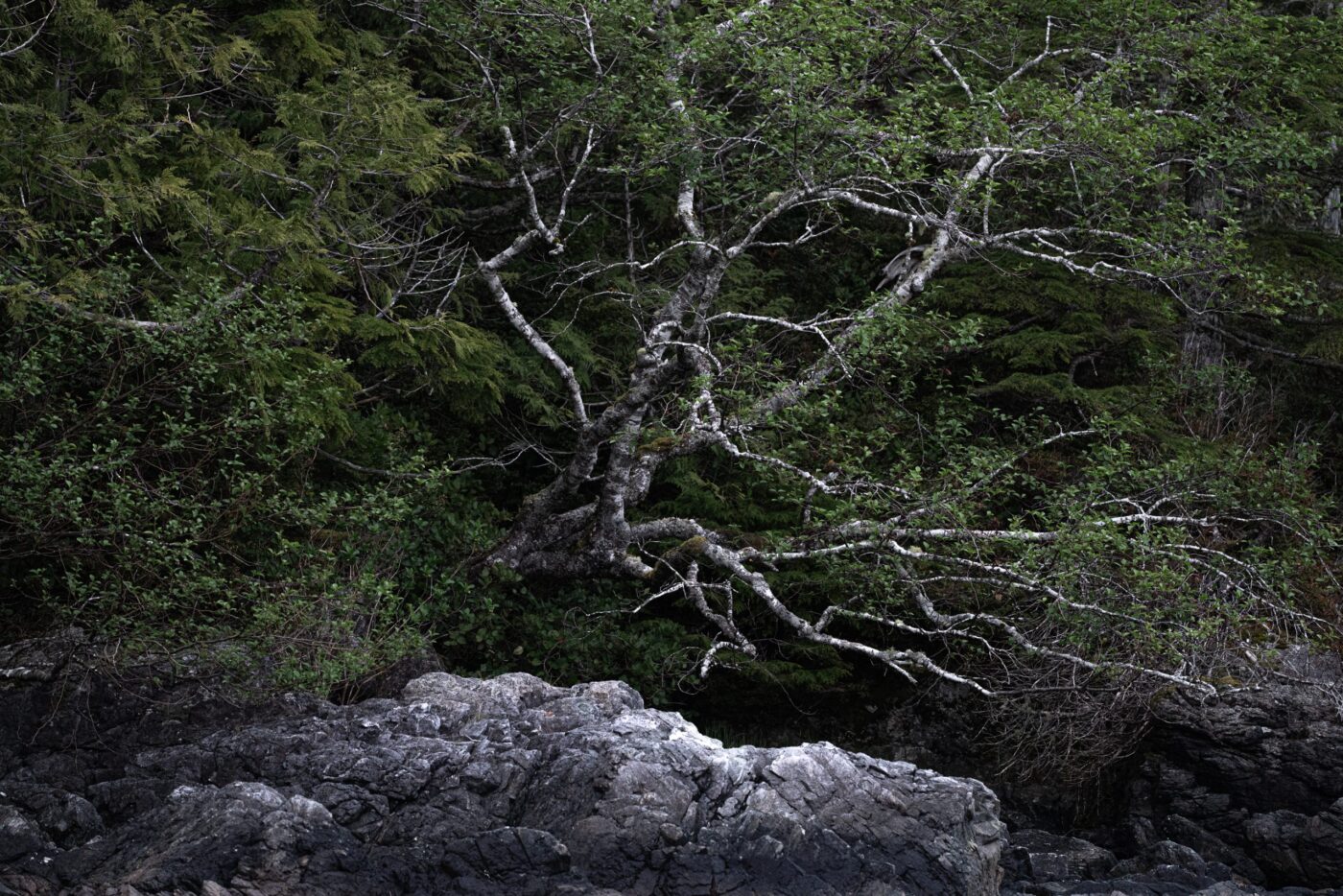
This one is a longer one, but I think it’s worth it. Put the coffee on, find a place to settle in. And then scroll to the bottom to see some images from my recent wolf expedition
A month ago, I found myself in a tuxedo, eating ants and mealworms (but not the scorpions, grubs, or tarantulas also on offer) at the 120th Explorer’s Club Annual Dinner in New York City.
It turns out the insects were not the most challenging part of the evening. Surrounded by people who have done some of the most extraordinary things with their lives (Explorer’s Club members have been to the moon, the summits of the worlds tallest mountains and the trenches of the deepest oceans), it was hard not only to feel an overpowering sense of imposter’s syndrome but also inspiration of the highest, brightest kind.
I will never explore in the way some of the people with whom I shared that evening have done. I won’t circumnavigate the globe in a hot air balloon. I won’t sail solo around the world. And the window for me to get to the moon is closing quickly. But it would be a mistake to believe—for any of us—that exploration is off the table as a way of living or a philosophy.
The heart of exploration is this question: what do we do with the unknown? What do we do with the fear of looking around those corners to find that which we do not (yet) know or understand? Those are questions of exploration, and it is the explorer who strives to answer them, not avoiding the unknown but seeking it as a starting place.
Exploration is first of all a posture of the human spirit. A willingness—even an eagerness—to engage the deeper questions. To push our limits in pursuit of the unknown, perhaps most especially when those unknowns are our limits themselves.
Explorers have been to the bottoms of the deepest oceans and the tops of the tallest mountains, but to my knowledge, they’ve not yet found the limits of human resilience or ingenuity.
I read a lot of books about exploration. I’m fascinated by the Amundsens, and the Mallorys, Pearys, Nansens, Cooks, and Earharts. What hearts they must have possessed to leap so willingly into the unknown and find an answer not only to, “Can it be done?” but “Can it be done by me?”
Do I have what it takes? Do you?
Do you have what it takes to find out what’s on the other side of the divorce that right now looks like it will destroy your family, your finances, and your heart?
Do you have what it takes to discover a life on the other side of bankruptcy or financial struggle?
Do you have the strength of heart to walk the path that takes you through the chasm created by the death of a loved one, an unexpected diagnosis, or the news that some piece of your life just no longer exists? What will you find in those empty places?
Do you have what it takes to explore what your life might look like if you made the change, made the art, or made the difference your heart is calling you to make, in full view of the risks (which might be very real or only perceived but form a terrifying barrier nonetheless) over which you’ll have to climb to find out?
To be human is to have those questions keep you up at night. To be an explorer is to willingly (though not fearlessly—that’s what courage is for) go looking for the answers, to move forward one step at a time, and, having not yet hit the limits of what we can discover or endure, to take another step. And then another. Not because we know what’s there but precisely because we do not. Not because it’s easy, but because it’s not.
My evening in New York left me wondering about the connection or similarities between exploration of the kind meant by the Explorer’s Club and the kind of exploration we do as artists. What we do rarely puts our lives at risk, though ironically, I wrote these words 13 years to the day since I fell from a wall in Italy while angling for a better photograph. That fall should have killed me. In the end, it left me an amputee. I lost a leg but gained the world and a story of which I’m proud—one that continues to be its own exploration, forcing me to map out the topography of my resilience and has yet to reveal its limits as it continues to lead me to new wonders.
Art-making is also a posture of the human spirit towards the unknown. It’s a willingness to inquire of life. To ask what we find beautiful, certainly, but it’s more than that.
It is a kind of exploration that asks important questions about what is important to us and what we’re willing to risk for it. It’s a challenging of our concepts of what we can and can’t do—a confrontation of our fears and our perceived limits. It’s the willingness to look at the maps we’ve drawn of our own lives and hearts and minds, the ones that have “Here be dragons!” written in the empty spaces, yet unexplored, and to go see what’s there all the same, either despite the dragons or because of them.
The fear of those dragons—stand-ins for the monsters we imagine lurking in the unknown—has kept so many from exploring those empty spaces and discovering their absence. Not a dragon to be found. The same imagination that might drive one person to dream of new paradises might conjure for another person all the reasons to stay home. One person will go out, excitedly thinking, “What if we find DRAGONS?!” while another will stay behind, held back by fear. What if we find dragons?
What if gold? What if certain death? What if failure? What if glory? What if, what if, what if?
The explorer and the artist, equally propelled by courage and curiosity, respond similarly to the what-ifs and the possibility of dragons in the empty places—not with avoidance but with pursuit. They respond with, “Let’s find out.”
Neither do so because they are unaware of the dangers but because they learned long ago that safety isn’t a real thing in which we can reliably find refuge. They’ve learned that danger, if it’s there at all, usually finds us, no matter the precautions we’ve taken or the fears with which we’ve lived and found ourselves not so much safe as confined to smaller lives.
“Life,” said Helen Keller, “is either a daring adventure or nothing. Security does not exist in nature, nor do the children of men as a whole experience it. Avoiding danger is no safer in the long run than exposure.”
Life is uncertain, and both the artist and explorer have found a similar way to engage that uncertainty. A practice. A way of living with and questioning that uncertainty, using the unknown to stimulate new ways of thinking and doing to discover new places, both without and within. I suspect both would agree that some of the greatest discoveries are not the depths or the heights to which we can go but which, because of the process, we have found within ourselves. The dragons, if they are there at all, are more within than without and more easily tamed for calling them out of the shadows. Both invite us to more fully engage—to be more fully alive—in this daring adventure, and I think that’s worth exploring.
Postcards from Vancouver Island
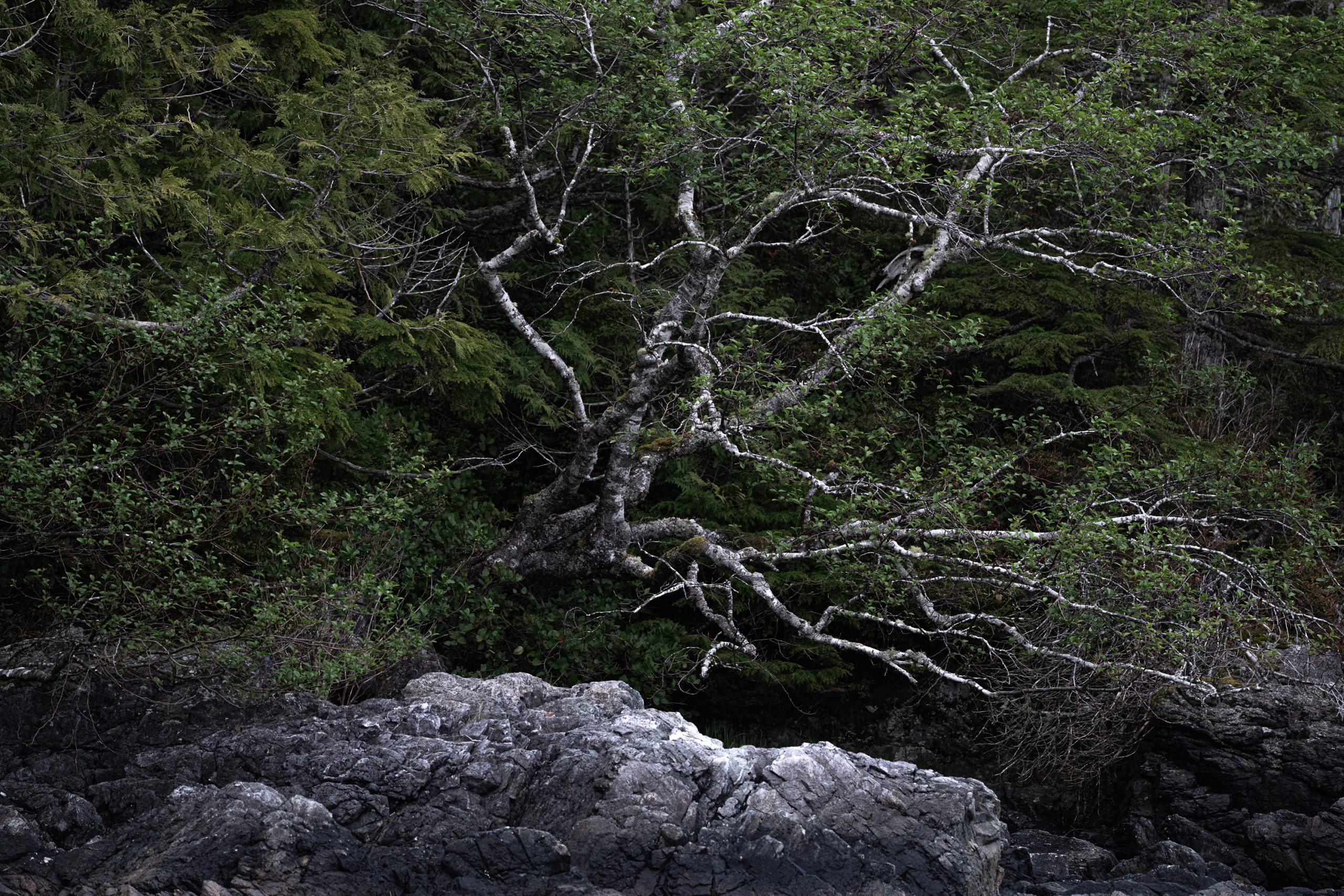
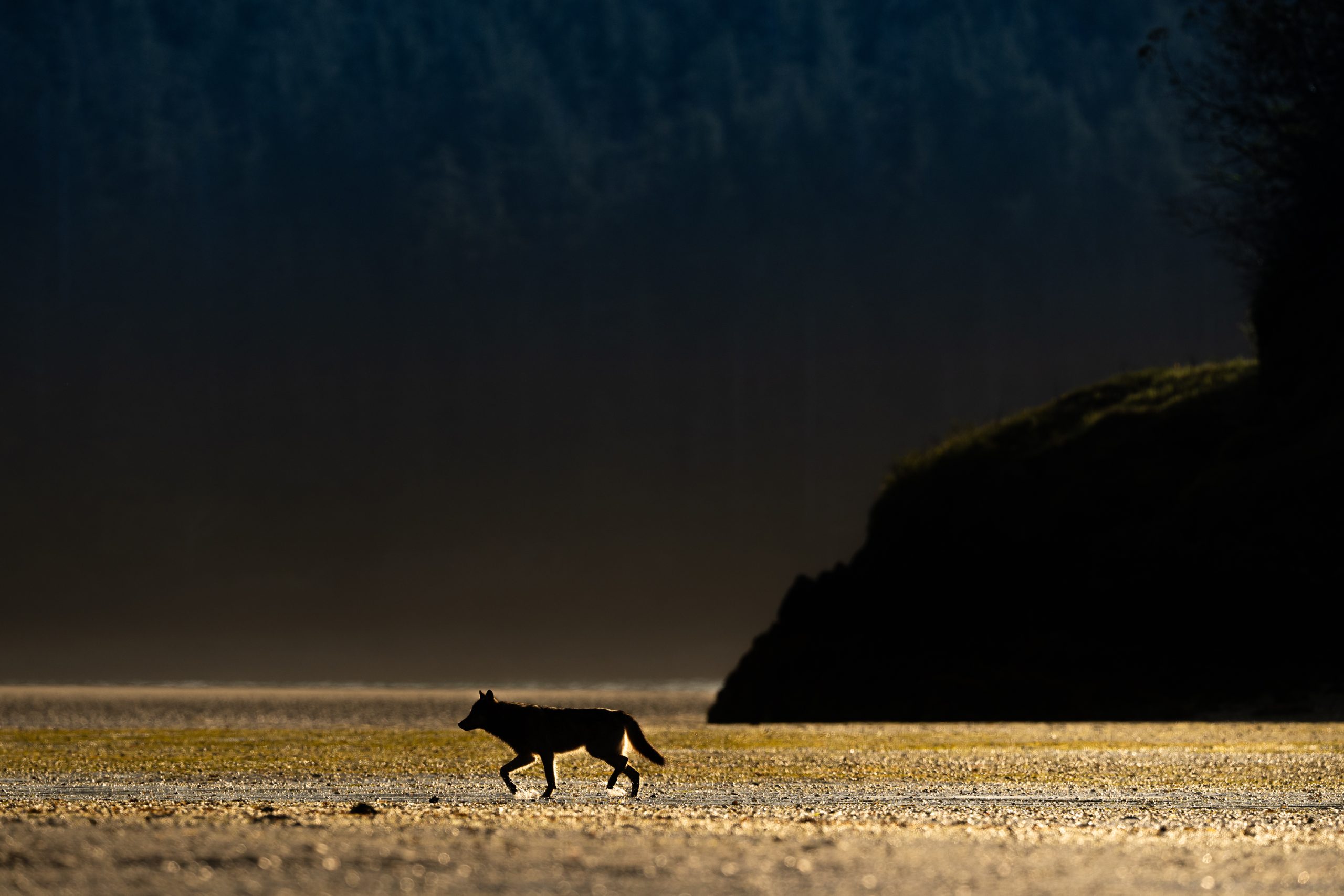
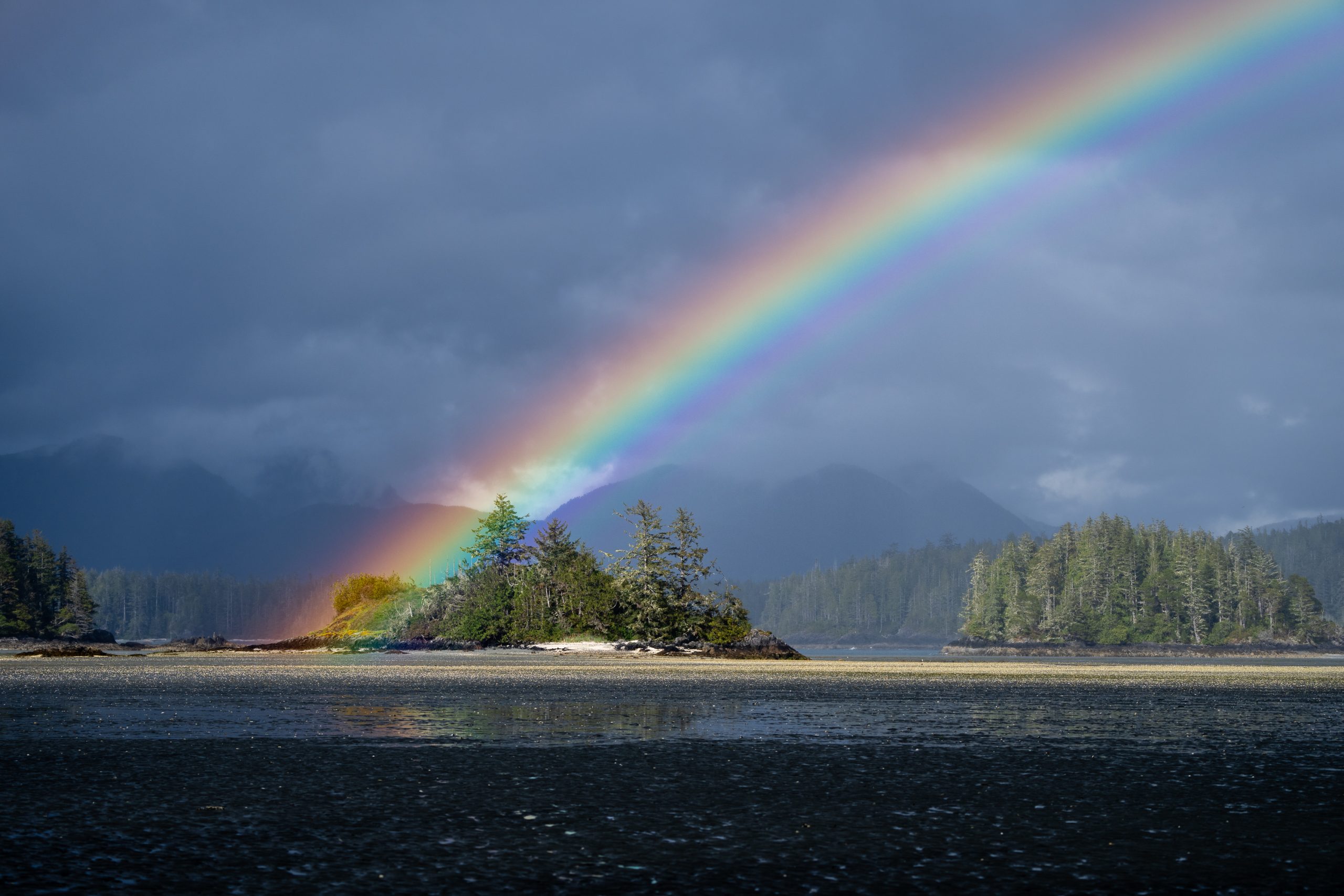
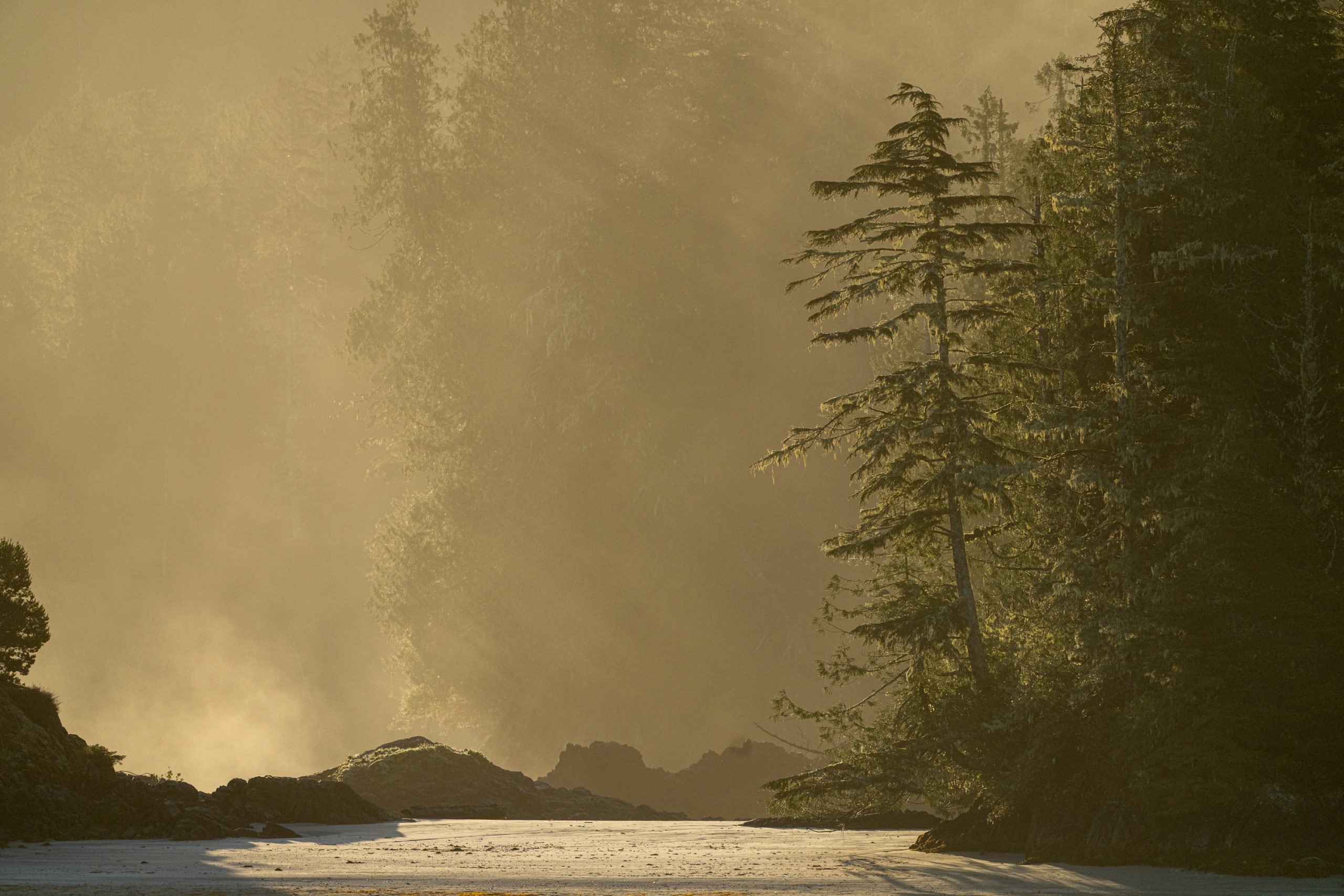
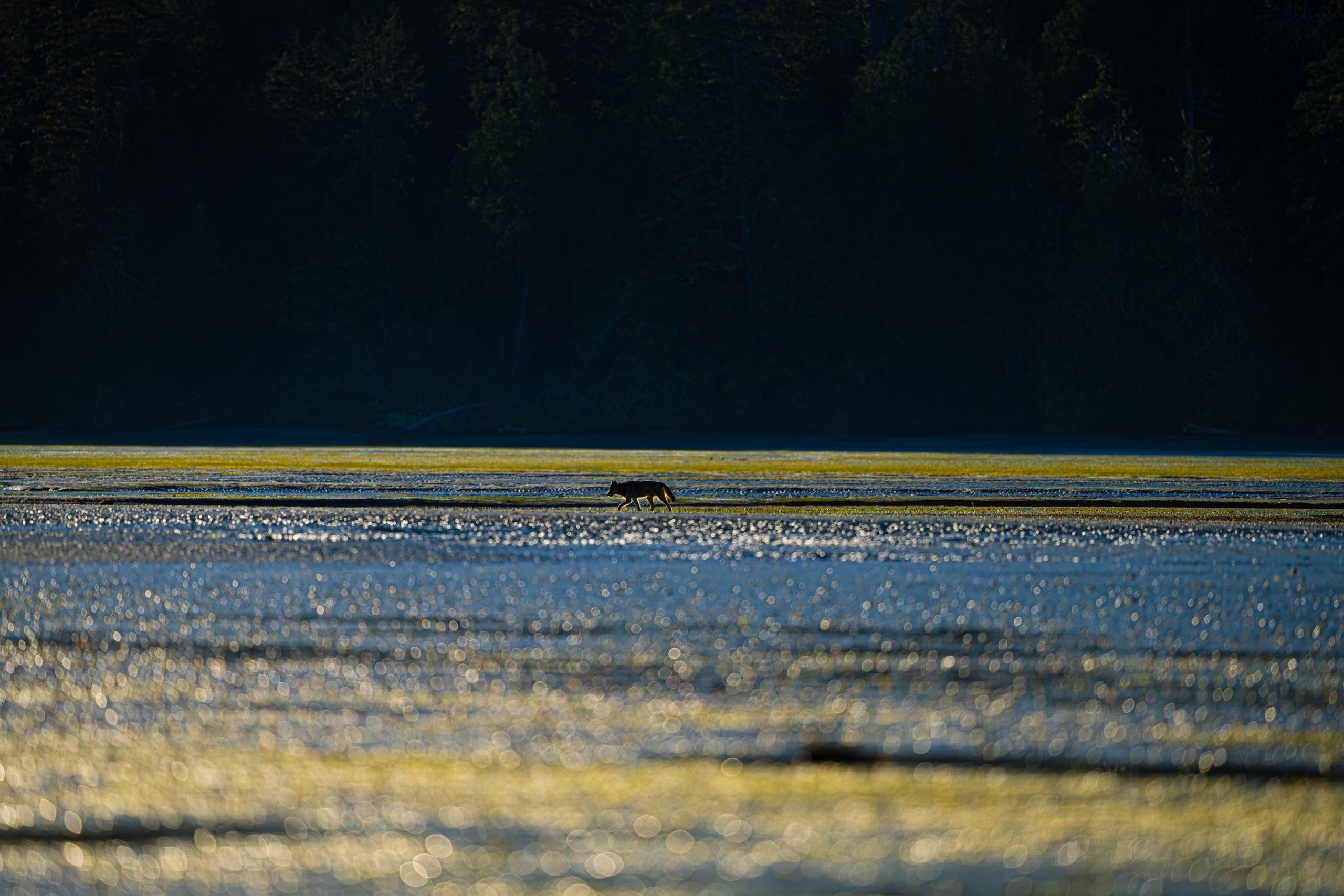
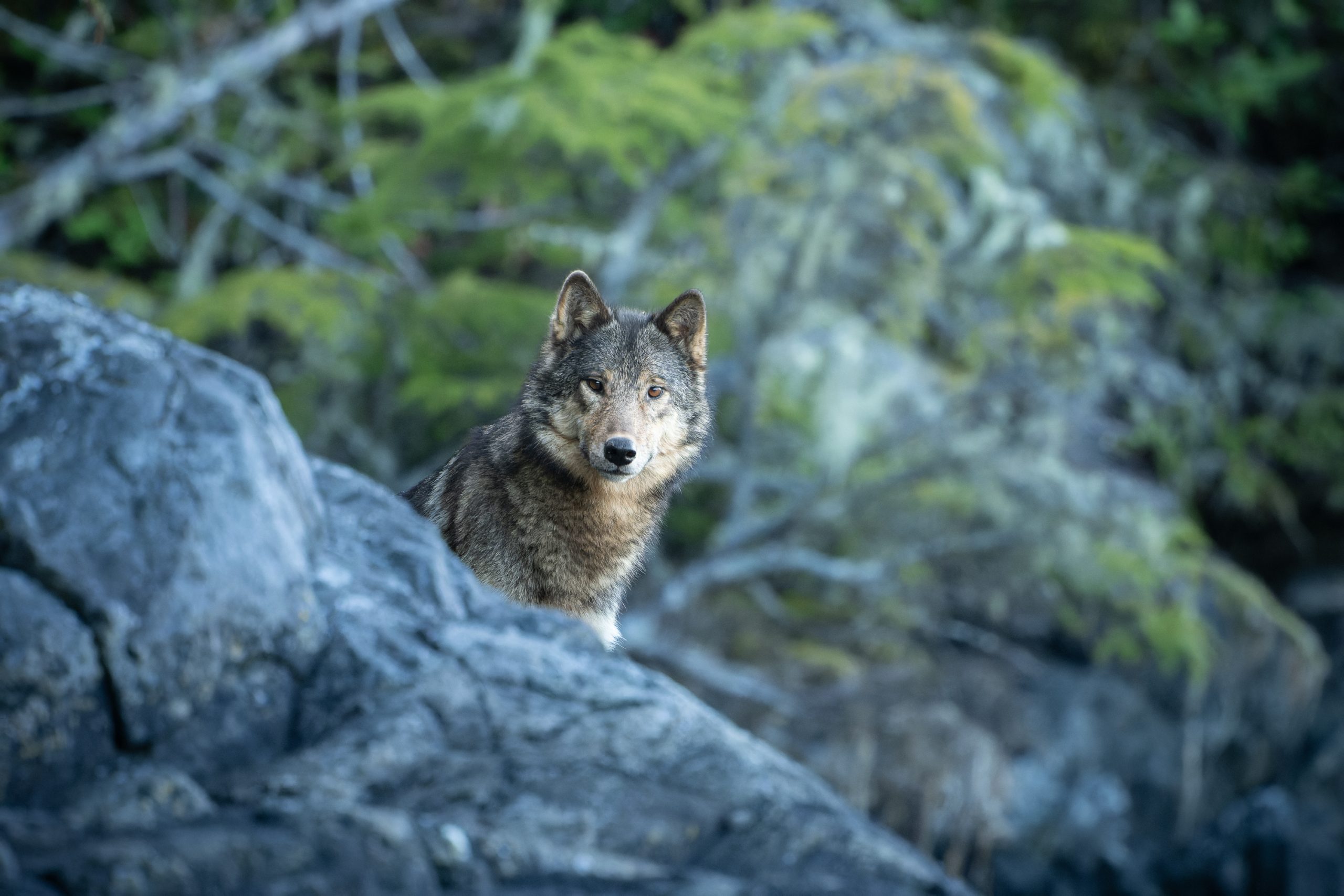
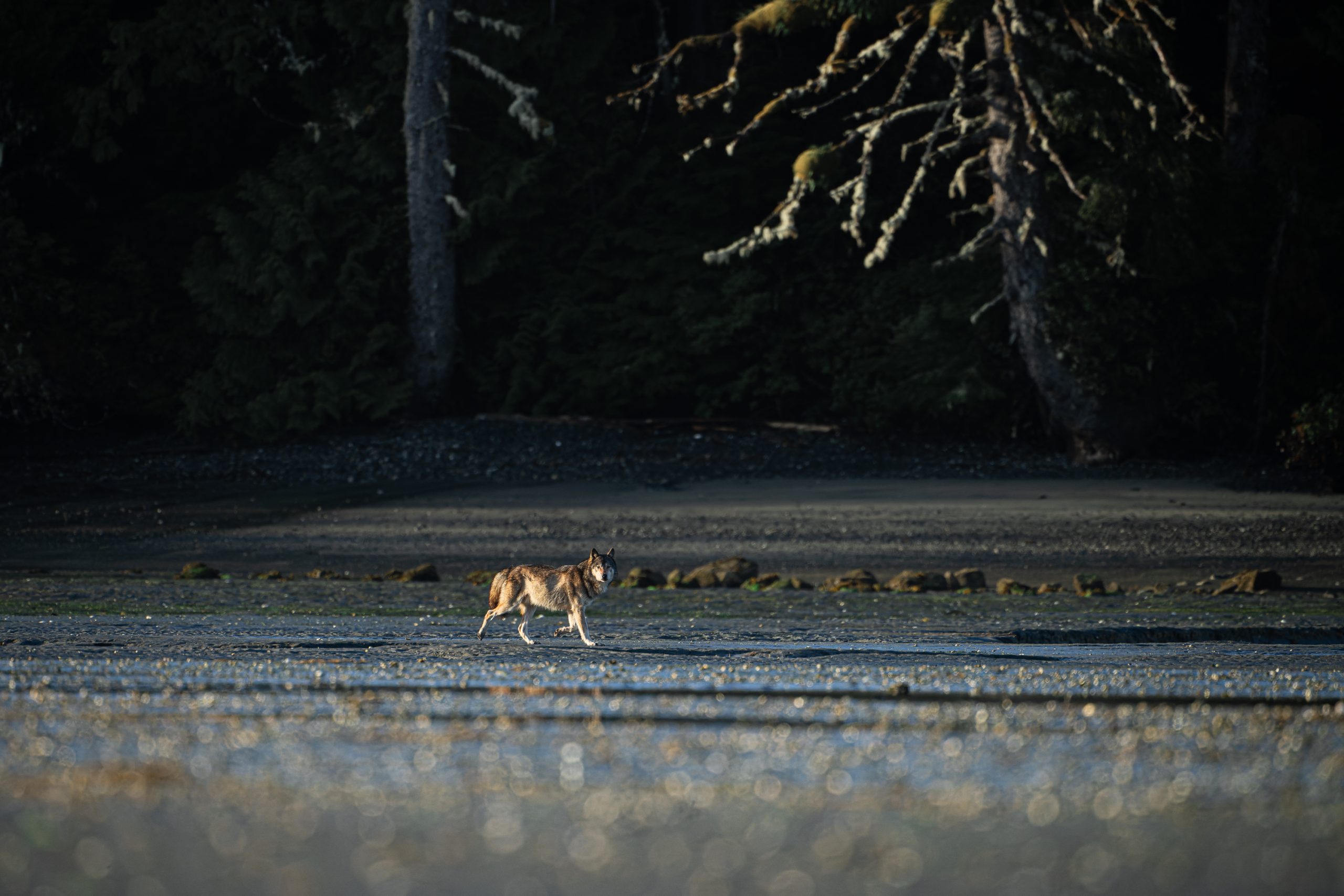
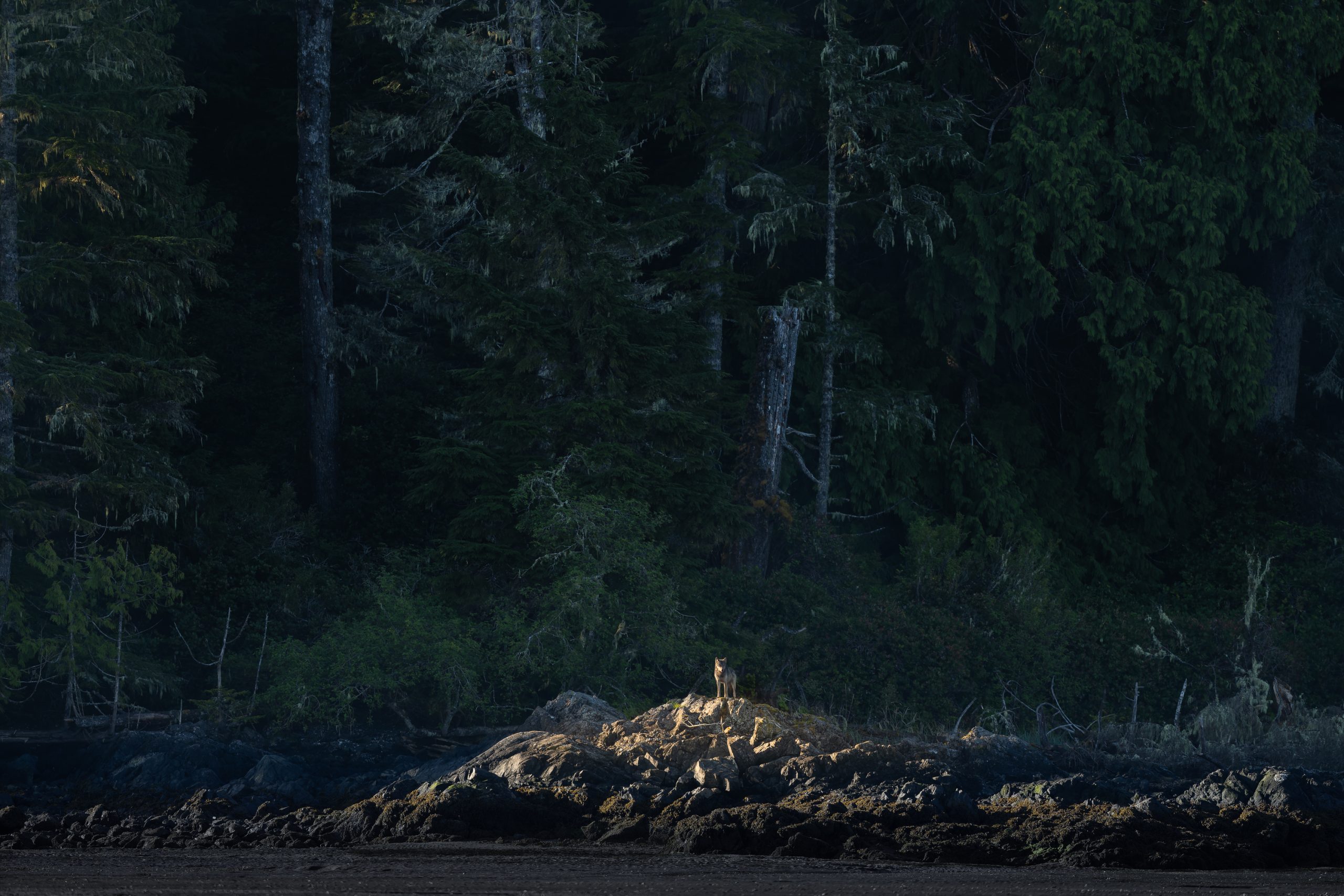
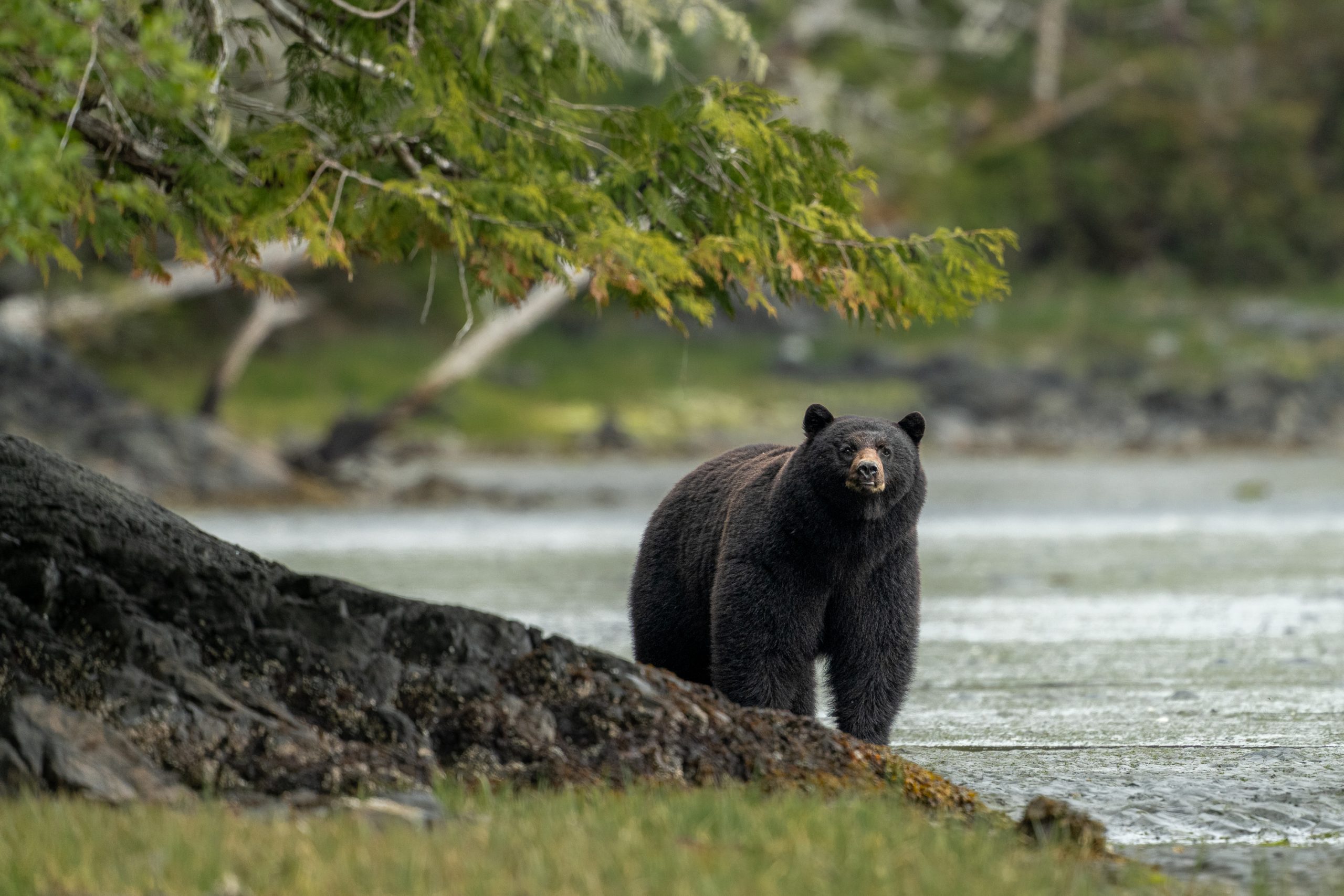
Speaking of exploration and art, I spent two weeks in May on the wild west coast of Vancouver Island for the most challenging photography expedition I’ve done. But what magic and wonder! I went to find coastal wolves (the same wolves from Netflix’s Island of the Sea Wolves), and though they did not disappoint, they made me work for it. Here’s a glimpse at some of the images that took me over 130 hours and 75km of hiking to make. They really do need to be seen larger, so click any of the images to see them full-size.


For the Love of the Photograph,
David

